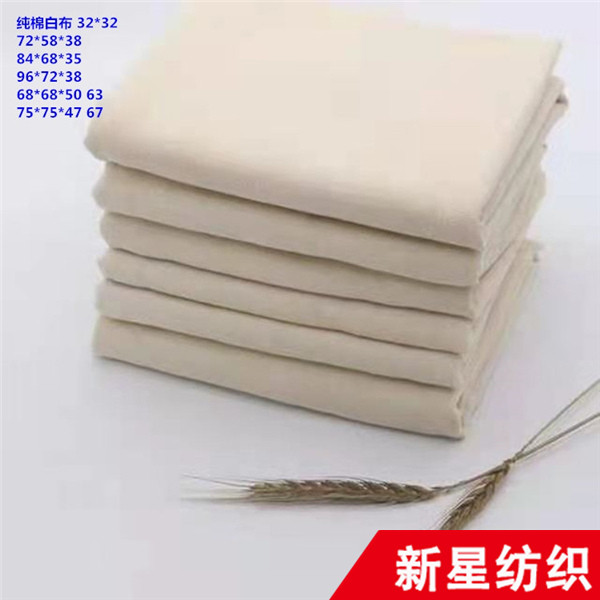

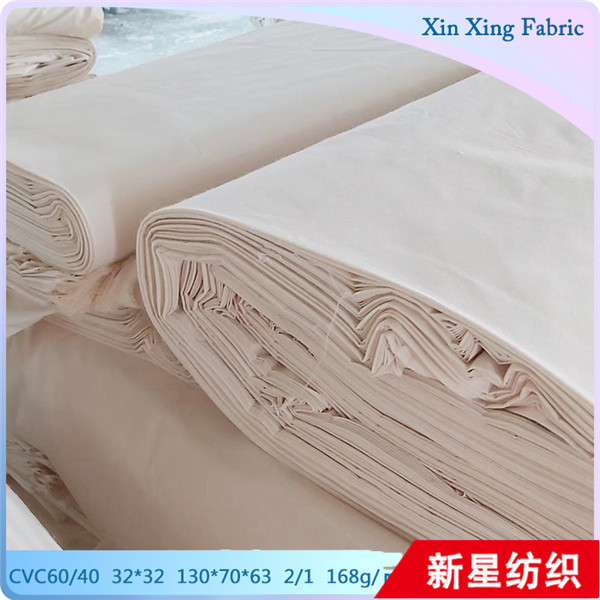
In Shaanxi, various types of dyes can generally be used for the dyeing of Xiao cloth, with the specific choice depending on the desired final effect and the characteristics of the fabric. Here are several common types of dyes used for Shaanxi Xiao cloth:
Reactive dyes: Reactive dyes contain reactive groups that can chemically react with cellulose and protein fibers under appropriate conditions, enhancing the wash and soap fastness of dyed cotton fabrics. They offer advantages such as simple dyeing and printing, vibrant colors, a relatively complete color spectrum, and low cost. However, reactive dyes generally have poor fixation rates and may hydrolyze in alkaline solutions, leading to color bleeding.
Reducing dyes: These dyes are insoluble in water and cannot be directly applied for dyeing. They must be reduced to leuco dyes in an alkaline strong-reducing solution containing caustic soda and sodium dithionite. The leuco dyes then dye the cotton fibers, followed by oxidation to restore the insoluble dye, which becomes fixed in the fibers. Reducing dyes offer a full spectrum of colors with vibrant hues and excellent lightfastness and soapfastness. However, due to their relatively high cost and the light-sensitive brittleness of certain yellow and orange varieties, their application is somewhat limited.
Direct dyes: Direct dyes are water-soluble and can be directly applied to cotton fibers in neutral or slightly alkaline solutions. They offer a full range of color spectra, simple dyeing methods, and relatively low costs, making them a primary dye for cotton fabrics. However, their colorfastness is not ideal, requiring fixation treatment during post-processing.
Reactive dyes, due to their multiple advantages, may be the most commonly used type of dye. However, the specific choice should be determined based on actual needs and conditions. Additionally, some manufacturers offer environmentally friendly dyes for reactive dyeing, which can meet European standards. Therefore, the most commonly used Shaanxi Xiaobu dyes may be reactive dyes, but the specific selection should be based on practical circumstances.
Copyright©cn.xxfzb.com ( 点击复制 )Shaanxi Xinxing Textile Co., Ltd
Powered by 
热门城市推广: