
Shaanxi Xinxing Textile learned that common textile materials include:
Natural fibers: include plant fibers (such as cotton, hemp), animal fibers (such as wool, silk), and mineral fibers (such as asbestos).
Chemical fibers: include artificial fibers (such as viscose fiber) and synthetic fibers (such as polyester and nylon).
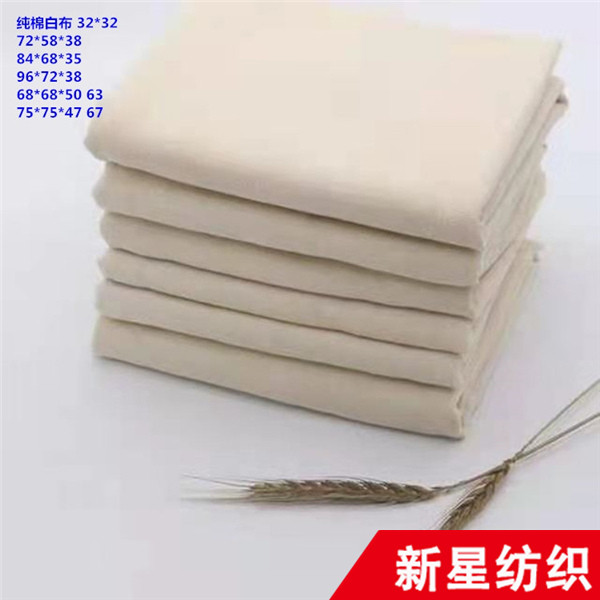
Pure cotton: It offers excellent moisture absorption and breathability, a soft touch, and superior thermal insulation.
Hemp: A natural plant fiber with stronger water absorption, providing a cool wear, but prone to wrinkling and rough fabric texture.
Fur: Derived from the hair of animals, primarily wool and cashmere, it offers advantages such as warmth, lightness, no dampness when worn, and soft comfort.
Silk: A natural fiber from the cocoon of the silkworm, silk is a high-end fabric known for its fine, smooth, and soft texture. It is durable, elastic, and capable of absorbing sweat and moisture from the human body.
Artificial fibers: Primarily composed of viscose and acetate fibers, their advantages include softness, comfort, breathability, and thermal insulation, providing warmth in winter and coolness in summer with a pleasant tactile feel; the drawbacks are susceptibility to wrinkling.
Other common materials include polyester (polyethylene terephthalate), acrylic (synthetic wool), polypropylene, spandex, and others.
Shaanxi New Star Textile Co., Ltd.
The above are only some of the more common textile materials. In fact, there are many other types, such as non-woven fabrics, coated fabrics, and printed fabrics.
Copyright©cn.xxfzb.com ( 点击复制 )Shaanxi Xinxing Textile Co., Ltd
Powered by 
热门城市推广: